



Introduction
Katana is purpose-built for DeFi. Rather than acting as a general-purpose Layer 2, it functions as a financial network where every transaction, pool, and application reinforces collective liquidity and long-term yield generation for its users.
Most Layer 2s aim for breadth, supporting a wide range of applications. Katana instead prioritises depth, embedding yield creation, liquidity routing, and value distribution directly into its base layer. The result is an ecosystem where users, protocols, and the network advance together through shared incentives and productive capital.
This report examines how that model works in practice. It explores how Katana transforms liquidity into a network-wide resource, how onchain activity generates sustainable revenue, and how value flows back to participants. By analysing key components such as VaultBridge, AUSD, and Chain-Owned Liquidity, it demonstrates how Katana redefines DeFi sustainability through structural alignment between users and infrastructure.
The Shift from Speculation to Productive Capital
In its early years, DeFi set out to prove that financial primitives could exist without intermediaries. MakerDAO enabled collateralised lending onchain. Uniswap introduced automated market making, allowing trades to clear without order books. Compound laid the groundwork for algorithmic borrowing and lending markets. These breakthroughs proved that decentralised finance could function independently, but they also raised a new question: how could protocols attract enough liquidity to operate at scale?
The answer came through token incentives. Total Value Locked (TVL) became the dominant measure of success, and teams began distributing newly issued tokens to reward users and attract capital. This model reached its peak during DeFi Summer, when protocols such as Yearn, Synthetix, and SushiSwap expanded rapidly through aggressive liquidity mining campaigns.
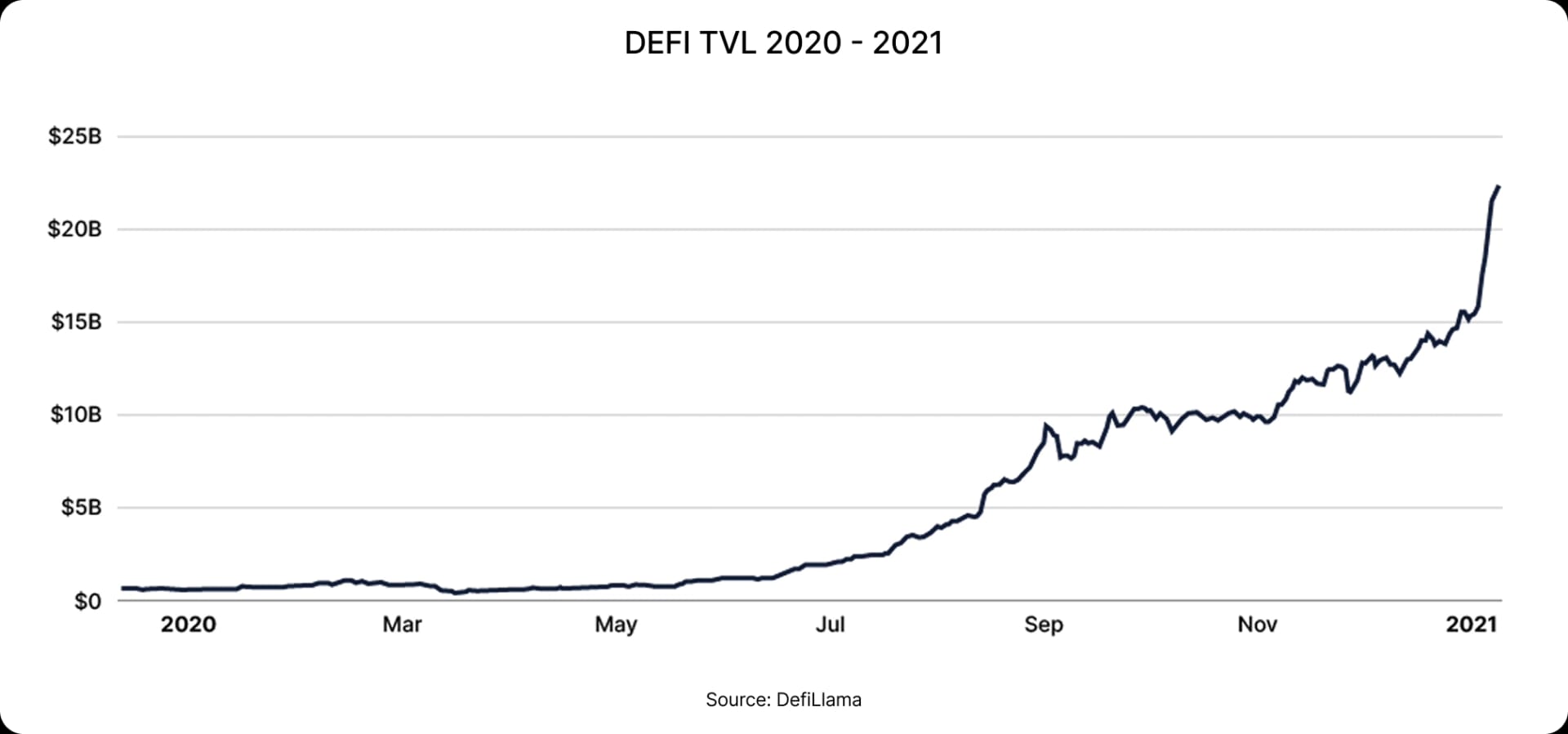
By offering high emissions, they were able to draw liquidity at record speed. As users discovered these new financial primitives and their generous yields, DeFi’s TVL soared from $600 million at the start of 2020 to $15 billion by year-end.
Liquidity increased across all pools during the incentive period, but only two out of five (wstETH/WETH 0.05% and OP/USDC 0.3%) maintained higher levels once rewards stopped. The rest soon reverted to their original state. Gauntlet found that incentives could have a lasting effect only when the short-term boost in liquidity translated into greater trading volume and fee generation, which was uncommon.
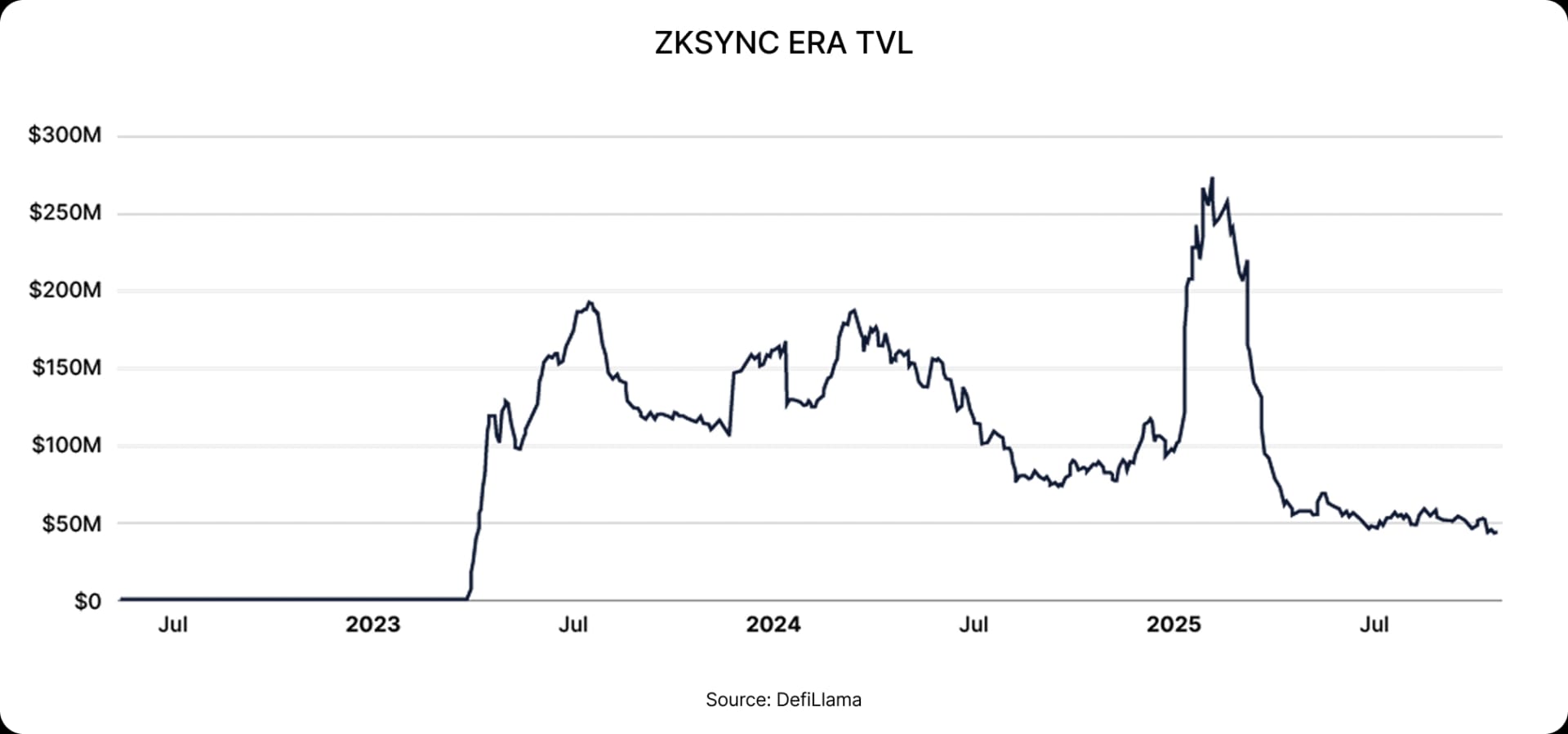
While Uniswap’s programme is just one example, the same pattern has appeared across the ecosystem. Many recent campaigns show that attracting liquidity through emissions is one thing, but keeping it is another. One of the more recent examples, the zkSync Ignite programme, which allocated 300 million ZK in rewards, demonstrates this even more clearly. During its incentive period, TVL climbed to around $260 million, but after rewards ended, it fell to about $45 million.
From Token Emissions to Real Yield
Around the same time, it became clear that DeFi could no longer rely on emissions alone to grow its TVL. As the limits of liquidity mining became visible, a new focus began to take hold around real yield. During 2023 and 2024, users started asking tougher questions about sustainability.
Phrases like “Where does the yield come from?” and “If you don’t understand the yield, you are the yield” became common across DeFi discussions, reflecting a broader realisation that not all returns were built to last.
Attention shifted toward protocols that earned revenue from real activity rather than token inflation. Trading platforms helped push this shift into the spotlight, with GMX and later Hyperliquid popularising fee-sharing models that tied rewards directly to usage and volume. Users began comparing protocols not by how much they emitted, but by how much they earned.
At the same time, lending saw renewed momentum. Protocols such as Aave, Compound, and Morpho became the backbone of this new environment, offering yield linked to borrower demand rather than incentives which explains the rapid growth of lending vs other sectors which showed less sustainability in its revenue.
By late 2024, the conversation in DeFi had changed: growth was no longer about who could print the most tokens, but about who could generate real, repeatable cash flow.
Katana: Building the Infrastructure for Productive Capital
As DeFi matured and the real yield narrative took hold, attention shifted toward sustainable revenue and long- term value creation. Yet one problem persisted. Even as protocols learned to generate real yield, large portions of onchain capital remained idle. Liquidity existed, but much of it sat in wallets or contracts instead of supporting lending, trading, or market depth.
This gap between secured and productive capital became the starting point for Katana, a network built by teams from Polygon Labs, GSR, and other experienced DeFi builders. Having lived through the rise and decline of liquidity mining, the team concluded that lasting sustainability could not be achieved at the application layer. It required infrastructure that embeds yield generation directly into the base layer while drawing from multiple sources of revenue.
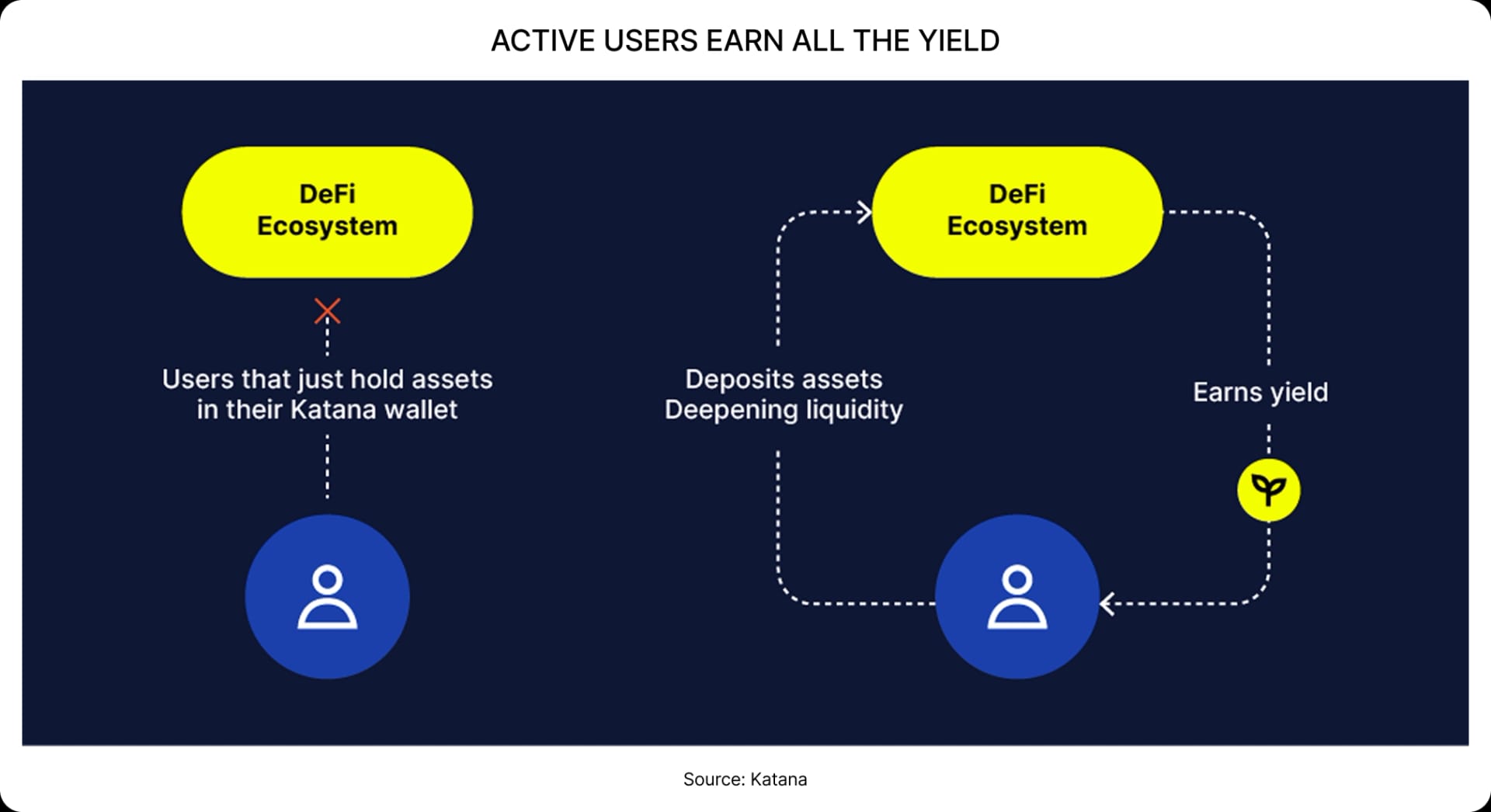
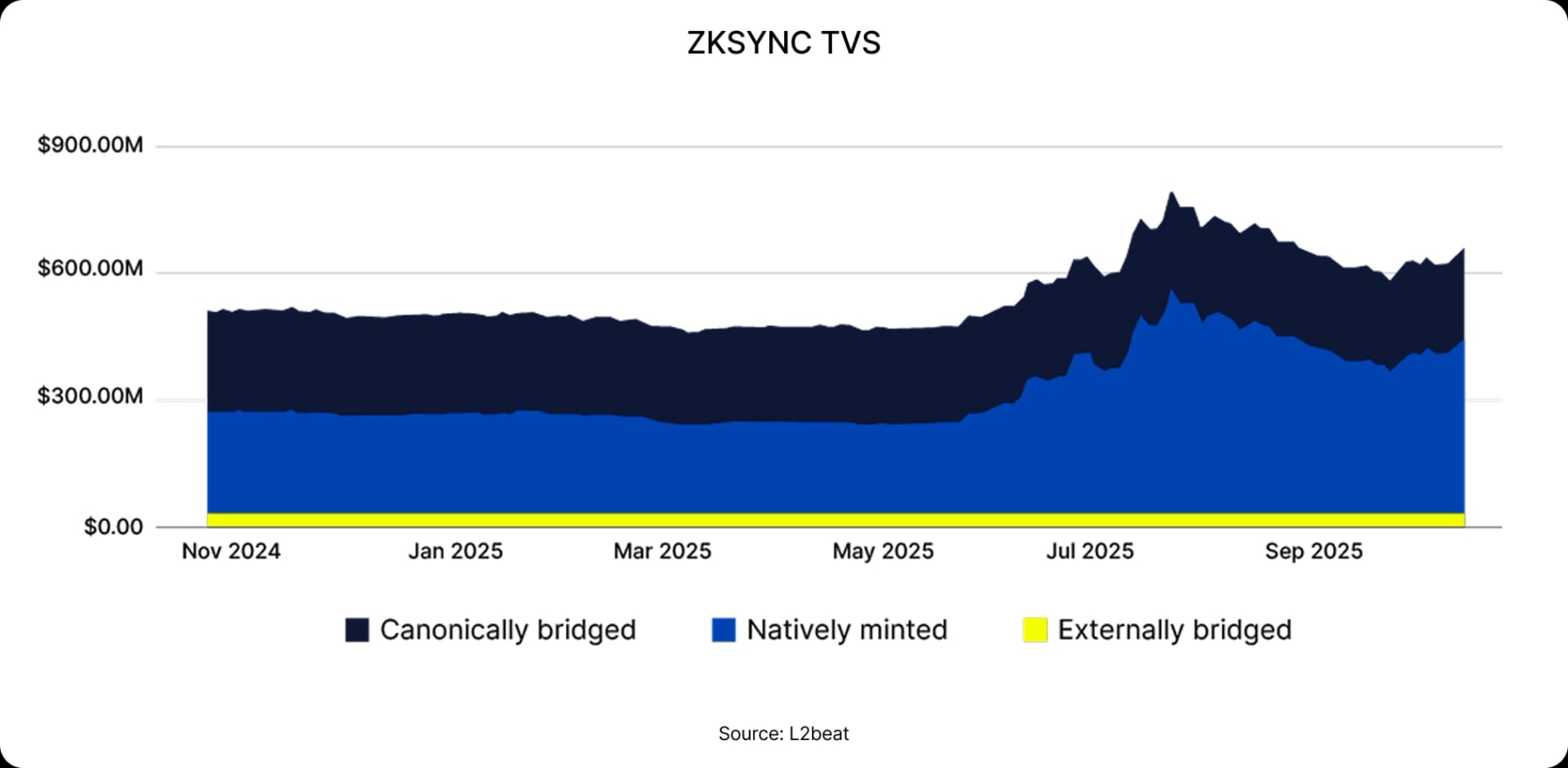
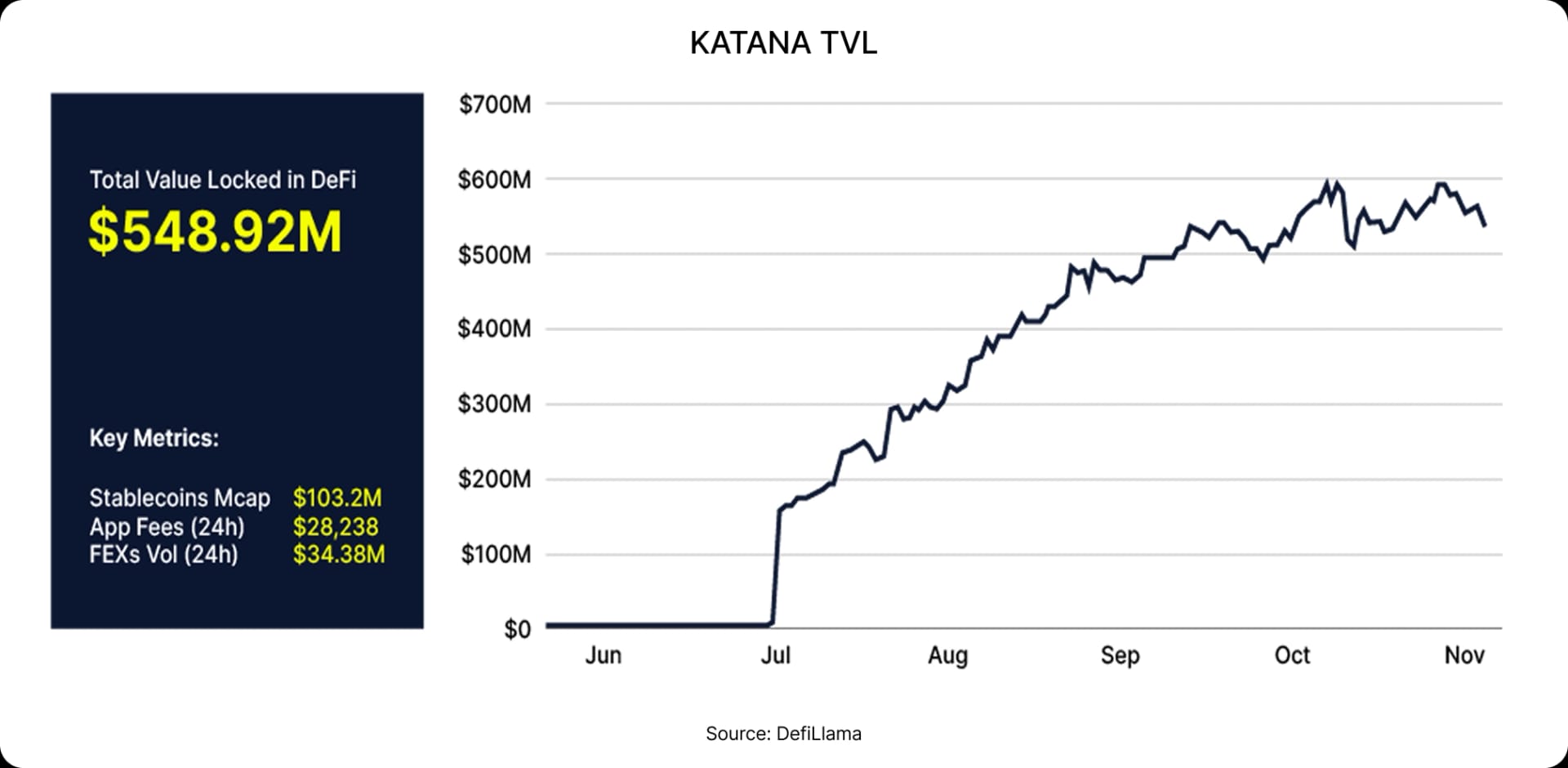
On top of that, Katana’s philosophy is built around the idea that value should be measured not only by Total Value Secured (TVS) but also by how much of that value is actively working within DeFi.
A network might secure one billion dollars in assets, but if only a fraction of that is deployed productively, the rest adds little to growth. For this reason, every asset on a chain should be made productive, and the yield from those assets should flow not to users who simply hold them in wallets, but to those who use them actively within DeFi.
Chain Architecture: Where Yield and Infrastructure Converge The
Foundation: Rollup Architecture and Proving
When Katana set out to build a DeFi-first chain, its goal was to make yield a structural feature of the network itself, not something dependent on isolated applications. To achieve this, the team needed a foundation that was both proven in production and adaptable enough to support major architectural innovation.
Katana is connected to Polygon’s AggLayer and built using the AggLayer Chain Development Kit (CDK-OP Geth), which uses OP Geth with zero-knowledge proofs. While it uses OP Geth, Katana is not part of the Optimism Superchain and, instead of being optimistic, it uses ZK proofs for security and finality.
Working in close partnership with Conduit, Katana used this CDK-OP framework to accelerate development and deployment. Conduit provided the engineering backbone for the chain, handling rollup implementation, infrastructure management, and sequencing services, while co-developing the custom modifications required for Katana’s design.
This collaboration allowed Katana to focus on what mattered most: integrating liquidity, yield, and user incentives directly into the base layer of the network.
But the project’s vision extended far beyond a standard rollup. To enable capital to move seamlessly and productively across the ecosystem, the team needed to solve two key challenges: slow finality and fragmented liquidity. The first was addressed through Katana’s proving architecture, which builds on the OP Stack with integrated ZK proving, and the second through deep interoperability with Polygon’s Agglayer network.
The Proving Layer: Fast Finality with Succinct
One of the main bottlenecks for DeFi users on existing rollups is capital lockup. Withdrawals often take several days to finalise, leaving liquidity idle and discouraging active participation. Katana approached this challenge by rethinking how rollup proofs could work for a financial chain that relies on continuous liquidity movement.
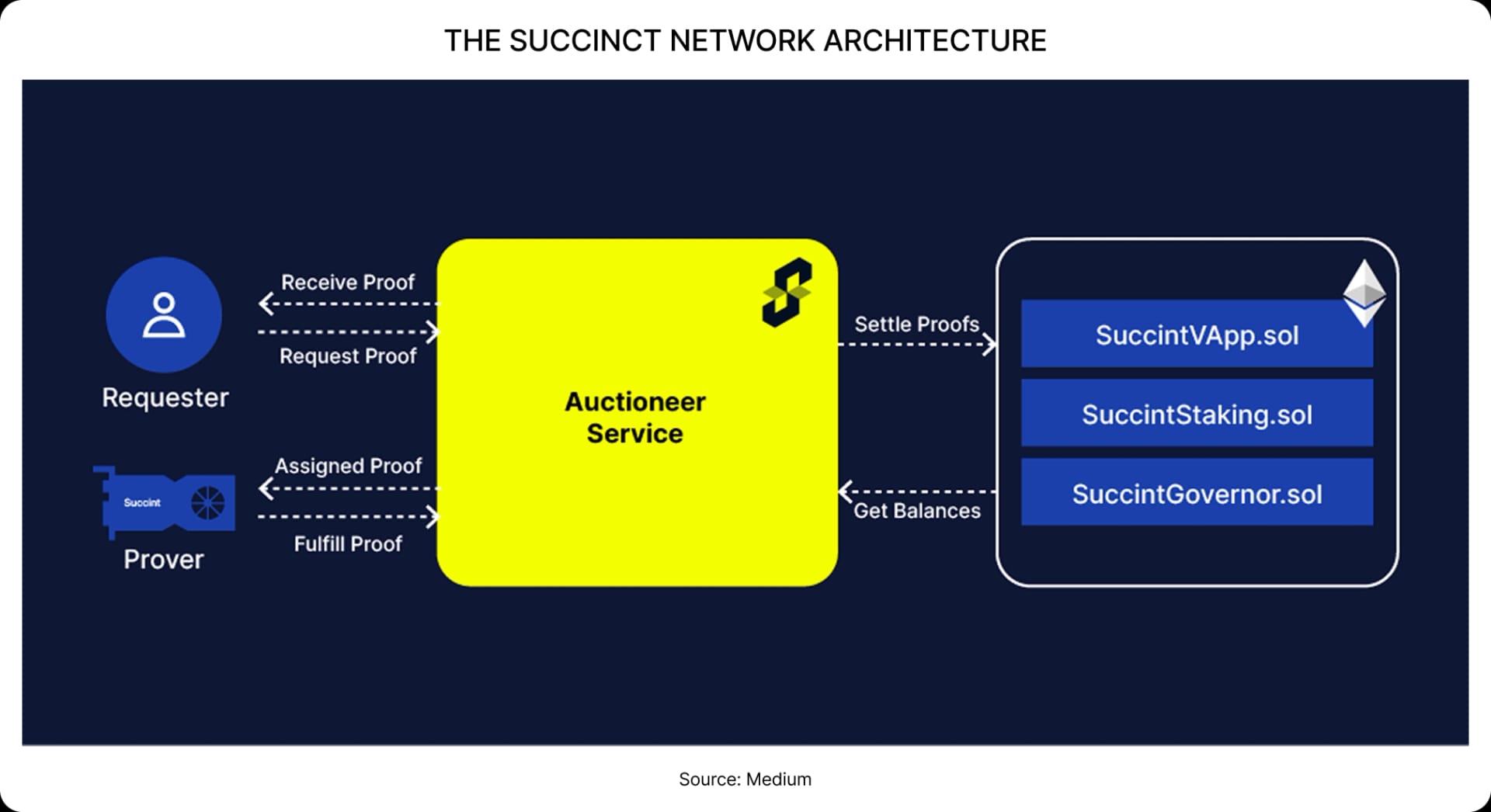
The solution came from Succinct, a zero-knowledge proving network that enables chains built on the OP Stack to operate as fully verified ZK rollups. By integrating Succinct’s validity proofs, Katana reduced withdrawal times from a week to just a few hours. This upgrade not only improved the user experience but also unlocked a higher level of capital efficiency, allowing liquidity to move freely between Katana, Ethereum, and other connected chains.
Succinct’s Prover Network was another key part of this evolution. It decentralises the proof generation process, spreading it across a network of independent provers and driving costs down to fractions of a cent per transaction. The result is a cost-effective and scalable environment where high-frequency DeFi activities like trading, lending, and yield vaults can function without interruption or excessive fees.
The Interoperability Layer: Connecting to the Agglayer
While fast finality solved the issue of capital lockups, another challenge remained: fragmented liquidity. Liquidity across Layer 2 ecosystems is often siloed, forcing users and protocols to bridge manually between chains. Katana addressed this by becoming one of the first rollups to integrate directly with Polygon’s Agglayer, a unifying interoperability layer that connects multiple chains through shared liquidity and canonical bridging.
Agglayer serves as the connective layer of Polygon’s ecosystem, allowing assets and messages to move freely between connected chains. This creates a fluid environment where liquidity is no longer trapped within a single domain. For Katana, this means users can onboard seamlessly from any Agglayer-connected chain, while developers can access a larger pool of capital and users without building separate integrations.
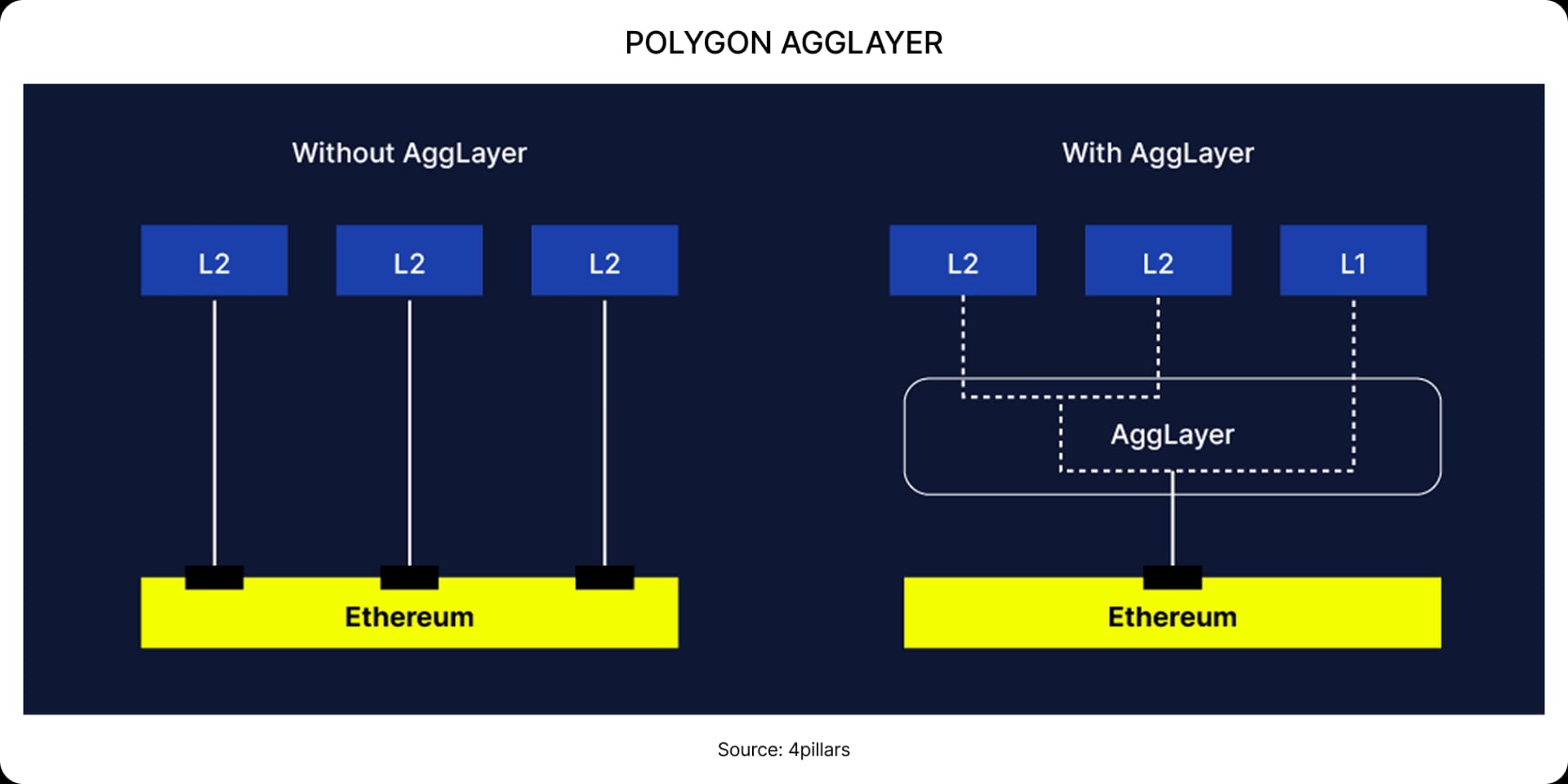
Through Agglayer, Katana evolves from a standalone Layer 2 into a connected financial hub, part of a broader network of interoperable ecosystems where liquidity and capital can move freely.
The sequencer
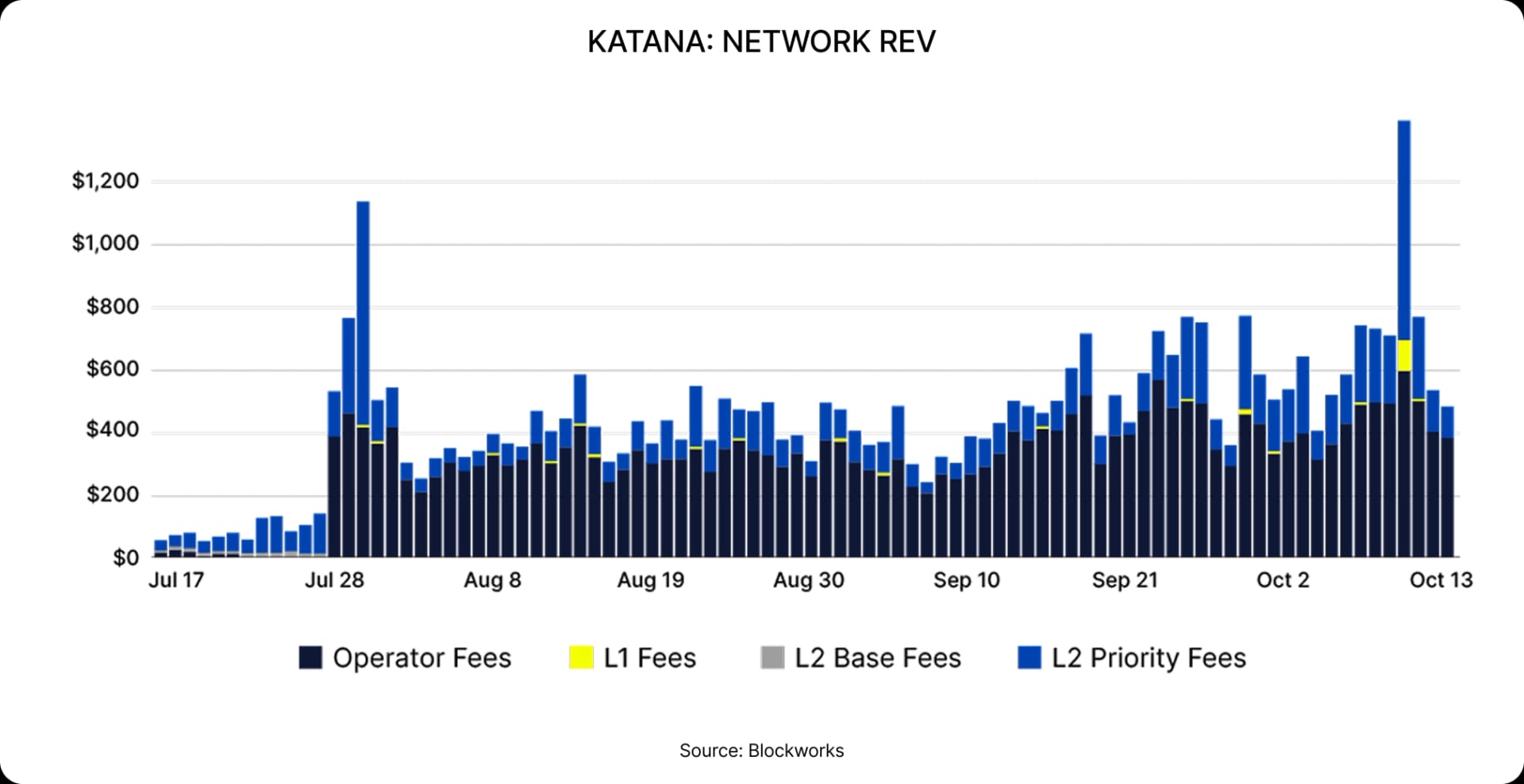
Every transaction on Katana generates value through the sequencer. Unlike most chains where sequencer fees are collected and stored passively, Katana’s system recycles them directly into its liquidity economy. Once operational costs such as data posting to Ethereum are covered, the remaining revenue flows back into the network.
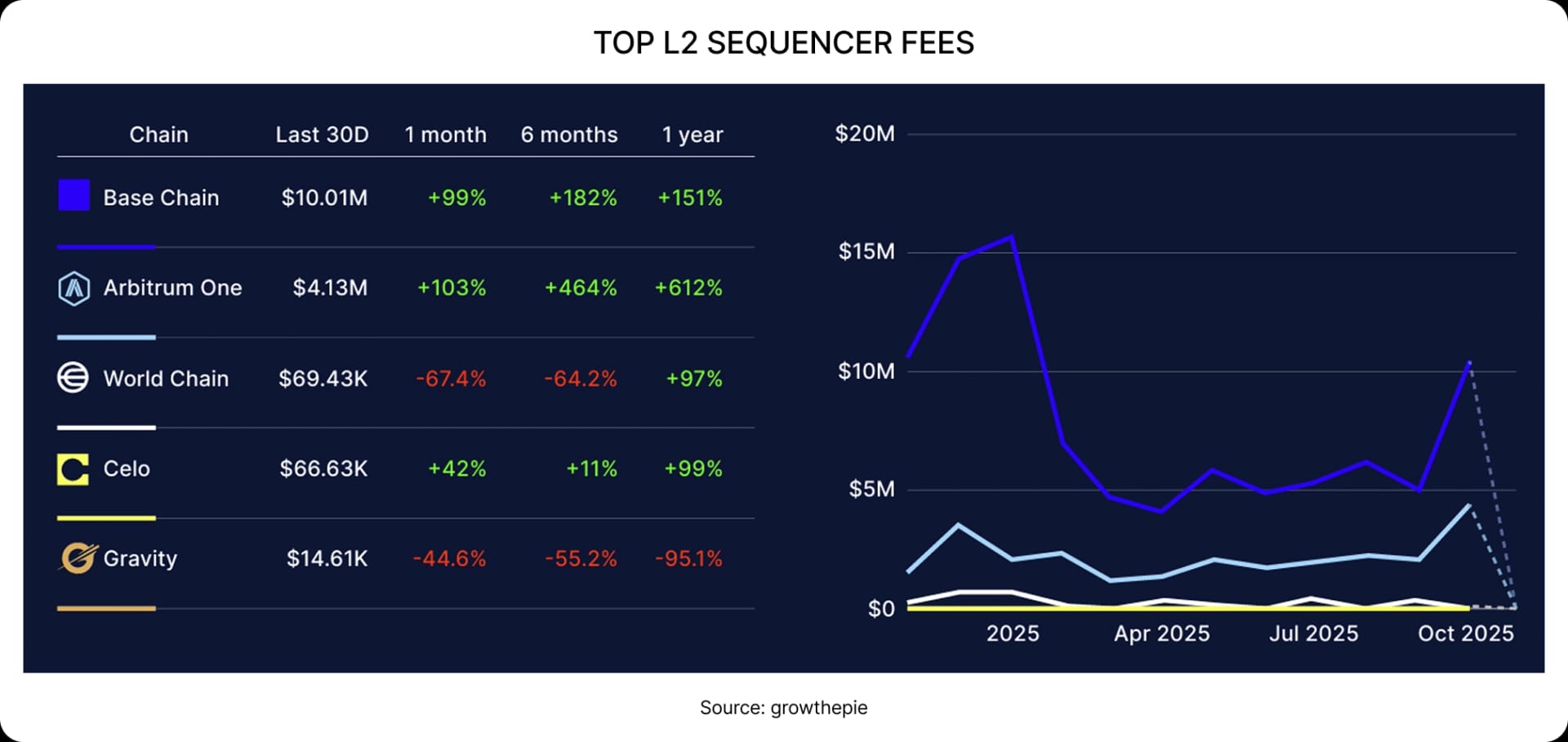
This approach creates a feedback loop where activity drives revenue, revenue deepens liquidity, and deeper liquidity attracts more users and volume. Over time, this system compounds on itself, turning Katana’s sequencer into a sustainable and recurring source of yield rather than a simple fee collector.
Currently, sequencer fees (aka network REV) on Katana accounts for only a small portion of its total revenue, representing around 2% every month. However, this could change in the future as onchain activity increases.
Built-In Yield Infrastructure: VaultBridge and AUSD
While most rollups rely on applications to generate chain revenue, Katana builds yield directly into its architecture. Two key mechanisms power this: VaultBridge and AUSD.
VaultBridge
If Katana’s proving and interoperability layers laid the groundwork for efficient capital movement, VaultBridge was the system that made that capital productive from the moment it entered the network.
In most ecosystems, bridged assets remain idle on Layer 1. Users deposit tokens into a smart contract, and those assets simply sit there until they are withdrawn. This inefficiency locks up billions of dollars in unproductive collateral. VaultBridge was created to change that by giving every bridged asset a role in yield generation.
When users bridge supported tokens such as USDC, WETH, USDT, or WBTC into Katana, their assets are automatically deployed into low-risk yield strategies on Ethereum via Morpho Vaults, which are managed by independent risk curators like Gauntlet and Steakhouse Financial. These vaults generate real yield that is streamed back to Katana and distributed to users who actively participate in DeFi.
This design also makes Katana one of the most Ethereum-aligned Layer 2s, as assets bridged to Katana continue to support and strengthen the Ethereum DeFi ecosystem through Morpho deposits.